Modern lighting systems do more than illuminate homes, offices, and industrial facilities. They also help reduce electricity consumption, improve visibility, and support sustainable building practices. LED drivers play an essential role in achieving these benefits by regulating electrical power supplied to light-emitting diodes. Without proper power control, LED lights may flicker, overheat, or experience premature failure. As American businesses and homeowners increasingly adopt energy-efficient lighting, understanding driver technology becomes more important. From residential downlights to commercial high-bay fixtures, the right electrical components help maintain consistent brightness, reliable operation, and long-term performance while supporting lower energy costs.
Understanding How LED Drivers Work
Light-emitting diodes operate differently from traditional incandescent bulbs. They require controlled electrical current rather than an unrestricted power supply. A driver converts incoming electricity into the appropriate output for the LED module. Depending on its design, it may convert alternating current (AC) into direct current (DC), regulate current levels, and maintain stable voltage within specified limits. These functions protect sensitive semiconductor components against electrical fluctuations. In the United States, lighting systems commonly operate from standard 100V or 277V AC supplies, while some commercial installations use 347V or 480V distribution. The selected driver must match the fixture's electrical requirements and installation environment.
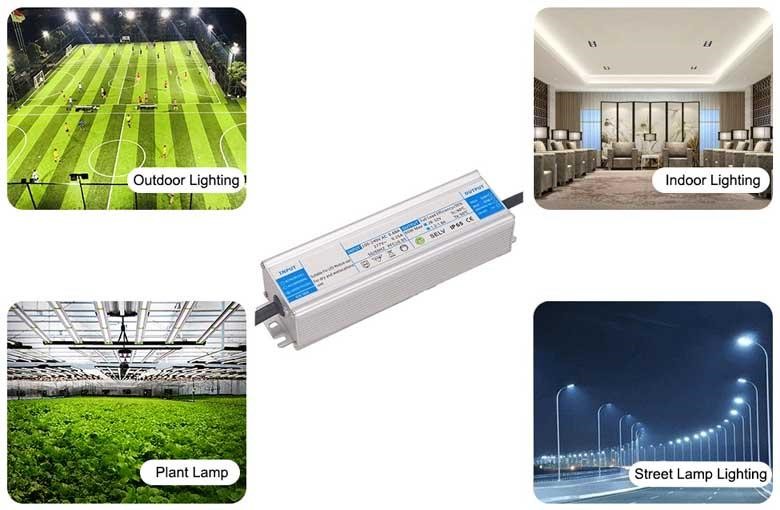
Key Functions of LED Drivers
- Current regulation: Maintains an appropriate current level for stable light output.
- Voltage conversion: Converts incoming electrical power into a suitable output for LED components.
- Electrical protection: Helps guard against overloads, short circuits, and certain abnormal operating conditions.
- Brightness control: Supports dimming when the driver and control system are compatible.
- Thermal management support: Reduces electrical stress that can contribute to excessive heat generation.
These functions work together to improve lighting reliability and protect the complete fixture.
Types of LED Drivers for Different Lighting Applications
Choosing the correct LED driver depends on the LED module, required brightness, and electrical design. Two common categories are constant-current and constant-voltage drivers. Each serves a different purpose, so they should not be treated as interchangeable. Constant-current designs regulate the current flowing through the LEDs, while constant-voltage LED driver designs maintain a specified output voltage. Manufacturers select these configurations according to the lighting product's electrical characteristics. Understanding the differences helps contractors, engineers, and facility managers make informed purchasing decisions. It also reduces the risk of overheating, inconsistent illumination, and avoidable maintenance expenses.
Common Driver Types
- Constant-current drivers: Supply a controlled current within a specified voltage range. They are widely used in LED panels, downlights, and commercial fixtures.
- Constant-voltage drivers: Maintain a fixed output voltage, commonly 24V, 36V, or 48V DC. They often power compatible LED strips and low-voltage lighting systems.
- Dimmable drivers: Allow users to adjust brightness through compatible controls, helping reduce unnecessary electricity consumption.
- Programmable drivers: Provide adjustable output settings, enabling manufacturers or installers to configure suitable operating parameters.
- Smart lighting drivers: Support compatible digital controls, sensors, and connected building systems for automated lighting management.
Each option serves specific requirements. Reviewing the manufacturer's specifications before installation helps ensure safe and reliable operation.
How LED Drivers Improve Energy Efficiency
Energy efficiency depends on more than the light source alone. The power supply, fixture design, thermal management, and lighting controls all influence overall performance. An efficient driver converts incoming electricity into usable output while minimizing internal power losses. However, no driver operates without some energy loss, so its efficiency rating deserves careful attention. The U.S. Department of Energy explains that lighting performance depends on the combined efficiency of LED devices and complete luminaires, including their power supplies.
Selecting a suitable driver can therefore support lower operating costs without compromising the required illumination levels.
Main Energy-Saving Benefits
- Reduced conversion losses: Higher-efficiency power supplies waste less electricity during operation.
- Consistent light output: Stable current helps maintain predictable brightness under normal operating conditions.
- Lower unnecessary consumption: Compatible dimming and occupancy controls reduce power use when full illumination is unnecessary.
- Improved system reliability: Appropriate electrical regulation can help protect components from damaging operating conditions.
- Better building performance: Efficient fixtures can contribute to broader energy-management goals across commercial properties.
These benefits depend on product quality and correct system design. Businesses should evaluate the efficiency of the complete fixture instead of comparing driver ratings alone.
The Importance of Driver Compatibility and Dimming
Modern lighting installations increasingly require adjustable brightness, automated controls, and integration with building management systems. A compatible driver makes these features possible while helping maintain stable illumination. However, not every LED fixture works with every wall dimmer or control protocol. Incompatible combinations may produce flickering, limited dimming ranges, unexpected shutdowns, or unwanted noise. ENERGY STAR also emphasizes checking compatibility when pairing LED products with dimmers.
For American homes and commercial buildings, installers should verify the fixture's documentation and confirm that the selected controls match its electrical and communication requirements.
Popular Lighting Control Options
- Phase-cut dimming: Uses compatible leading-edge or trailing-edge controls to adjust light output.
- 0–10V dimming: Uses a separate low-voltage control signal to adjust brightness in supported systems.
- DALI control: Enables digital communication between compatible lighting equipment and control devices.
- Occupancy sensors: Reduce unnecessary lighting when rooms or work areas are unoccupied.
- Daylight harvesting: Adjusts artificial lighting according to available natural daylight.
Selecting compatible components improves user comfort and system performance. It can also help facilities reduce electricity use during periods of lower lighting demand.
Applications in Residential, Commercial, and Industrial Lighting
Modern LED lighting serves a wide range of environments throughout the United States. Residential applications include recessed ceiling lights, kitchen fixtures, under-cabinet strips, and outdoor security lights. Commercial buildings use LED panels, office troffers, retail displays, and emergency lighting. Industrial facilities require dependable illumination in warehouses, manufacturing plants, loading docks, and high-ceiling workspaces. Each environment presents different electrical, thermal, and operational challenges. Selecting suitable power components helps maintain consistent performance under these conditions. Outdoor installations may also require additional protection against moisture, dust, vibration, and temperature changes, depending on the location and fixture rating.
Where These Lighting Systems Are Commonly Used
- Homes and apartments: Support efficient ceiling lights, decorative fixtures, and low-voltage accent lighting.
- Offices and schools: Provide stable illumination for workstations, classrooms, meeting rooms, and hallways.
- Retail stores: Help maintain consistent brightness for merchandise displays and customer areas.
- Warehouses and factories: Support high-output fixtures designed for demanding industrial environments.
- Outdoor spaces: Power suitable streetlights, parking fixtures, landscape lighting, and building security systems.
Matching electrical specifications to the installation environment helps prevent premature failures and unnecessary service calls.
Selecting LED Drivers for Long-Term Performance
Choosing suitable components requires more than comparing prices or advertised wattage. Buyers should review the LED module's electrical requirements, expected operating conditions, control features, and installation constraints. A driver that works well in a small residential fixture may not suit a large industrial high-bay light. Likewise, outdoor fixtures may require sealed housings or protection against moisture and temperature extremes. Qualified electrical professionals can assess these factors before installation. In commercial projects, reviewing product documentation and applicable electrical requirements also supports safer purchasing decisions and helps ensure that the complete lighting system meets its intended performance targets.
Important Factors to Evaluate
- Output current and voltage: Confirm that the electrical output matches the LED module's specified operating range.
- Power rating: Select sufficient capacity for the intended load without exceeding the manufacturer's limits.
- Conversion efficiency: Compare efficiency ratings under relevant operating conditions rather than relying only on maximum advertised figures.
- Power factor: Consider power factor requirements, especially for commercial and industrial installations.
- Thermal performance: Check the rated operating temperature and provide suitable ventilation or heat management.
- Protection features: Look for appropriate overcurrent, overvoltage, short-circuit, and overtemperature protections.
- Certifications and compliance: Review applicable UL or other recognized safety certifications and installation requirements for the intended application.
Compatibility is equally important when replacing an existing component. Match the original electrical specifications and control method, and never assume that connectors or physical dimensions guarantee compatibility. Installation and wiring should follow manufacturer instructions and applicable electrical codes.
Common Problems and Maintenance Considerations
Even well-designed lighting systems can develop problems when components age, operate in excessive heat, or receive incompatible electrical inputs. Flickering may result from a failing power supply, an incompatible dimmer, loose wiring, or fluctuations in the electrical supply. Lights that repeatedly switch off may indicate overheating or a protection feature activating. Reduced brightness can also reflect normal LED aging rather than a driver fault. Proper troubleshooting starts with identifying the symptoms and checking the manufacturer's guidance. Electrical testing should be performed by a qualified professional, particularly when the equipment connects directly to building mains voltage.
Practical Maintenance Tips
- Inspect operating temperatures: Ensure that fixtures have adequate ventilation and remain within rated limits.
- Check for flickering: Investigate persistent or intermittent flicker instead of assuming it is harmless.
- Verify control compatibility: Confirm that dimmers and automation devices support the installed lighting equipment.
- Monitor light output: Compare changes in brightness across fixtures to identify potential problems.
- Replace defective components correctly: Use compatible replacement parts and follow established electrical safety procedures.
Preventive inspections can help reduce unexpected outages, particularly in commercial buildings where lighting is essential for productivity and safety.
Why LED Drivers Matter in Future-Ready Lighting
Lighting technology continues to evolve as buildings adopt connected controls, automated systems, and more efficient electrical equipment. Selecting the right power supply, including suitable LED drivers, supports these developments by providing stable operation and compatibility with advanced control features. For building owners, the decision affects maintenance planning, lighting quality, and long-term operating expenses. For manufacturers, it influences fixture reliability and product performance. Energy-efficient lighting delivers the greatest value when every major component works together as intended. Reviewing efficiency, safety, compatibility, and lifecycle requirements helps American homeowners and businesses make practical decisions that support dependable illumination and responsible energy use.
FAQ
1. What are LED drivers, and why are they necessary?
LED drivers are electronic power supplies that regulate the electrical current or voltage delivered to LED lighting components. They help maintain stable illumination and protect sensitive electronic parts from unsuitable operating conditions. Without an appropriate driver, an LED module may flicker, overheat, or fail prematurely. The correct design depends on the light source, power requirements, and intended application.
2. Why is driver efficiency important for energy-efficient lighting?
Driver efficiency determines how much input electricity becomes usable electrical output for the LEDs. A more efficient design reduces energy lost as heat during power conversion. Over time, this can help lower electricity consumption and operating costs. However, total savings also depend on fixture efficiency, operating hours, brightness settings, and the effectiveness of lighting controls.
3. How do LED drivers support dimming and smart lighting?
Compatible drivers allow lighting systems to adjust brightness through supported dimming interfaces or digital controls. When integrated with occupancy sensors and daylight-responsive systems, they can reduce unnecessary illumination. This functionality helps businesses manage energy consumption while maintaining suitable lighting conditions. Users should verify compatibility between the driver, dimmer, control protocol, and LED fixture before installation.
4. Where are LED drivers commonly installed?
LED drivers are found in residential light fixtures, commercial office panels, retail displays, industrial high-bay lights, and outdoor lighting systems. Depending on the product, the driver may be built inside the fixture or installed separately in an accessible enclosure. Its placement should follow manufacturer instructions and account for ventilation, temperature, moisture exposure, and electrical safety.
5. What should buyers check before choosing a replacement driver?
Buyers should confirm output current, voltage range, power rating, physical dimensions, and dimming compatibility. They should also review temperature ratings, protection features, and applicable safety certifications. A replacement must match the LED module's requirements rather than simply having the same wattage. When specifications are unclear, consult the fixture manufacturer or a qualified electrician.